
9mm Ammo Ballistic Data and Buying Guide for Shooters
When you need a dependable round for personal defense that balances stopping power with manageable recoil, the 9mm cartridge answers that call with proven consistency. Its brass case holds a precise powder charge that propels a jacketed bullet at high velocity, expanding reliably upon impact to neutralize threats effectively. This ammunition feeds smoothly in most modern semi-automatic pistols, letting you focus on accuracy instead of wrestling with your firearm. With its optimal blend of capacity and control, the 9mm gives you the confidence to defend yourself without overthinking your choice.
What Exactly Is 9mm Ammo and Why Is It So Popular?
The 9mm cartridge, specifically the 9x19mm Parabellum, is a rimless, centerfire pistol round defined by its 9mm bullet diameter and a case length of 19mm. Its overwhelming popularity stems from a near-perfect balance of manageable recoil, high magazine capacity, and reliable terminal performance for self-defense. Most shooters find it far easier to shoot accurately and rapidly than larger calibers, Ammunition for Sale which directly translates to faster follow-up shots and better shot placement under stress. Additionally, the round’s compact dimensions allow for slim, concealable handguns without sacrificing stopping power for civilian defensive scenarios. No other cartridge has achieved such universal acceptance across military, law enforcement, and civilian pistols. This ubiquity drives down cost and ensures endless variety, from lightweight hollow points to full metal jacket practice loads. For practical use, the 9mm offers sufficient penetration and expansion with modern defensive ammunition, while its lower recoil impulse keeps you on target. Ultimately, it is the definitive all-purpose handgun round, not because it is the most powerful, but because it is the most effective in real-world handling.
Breaking Down the 9x19mm Parabellum Cartridge Design
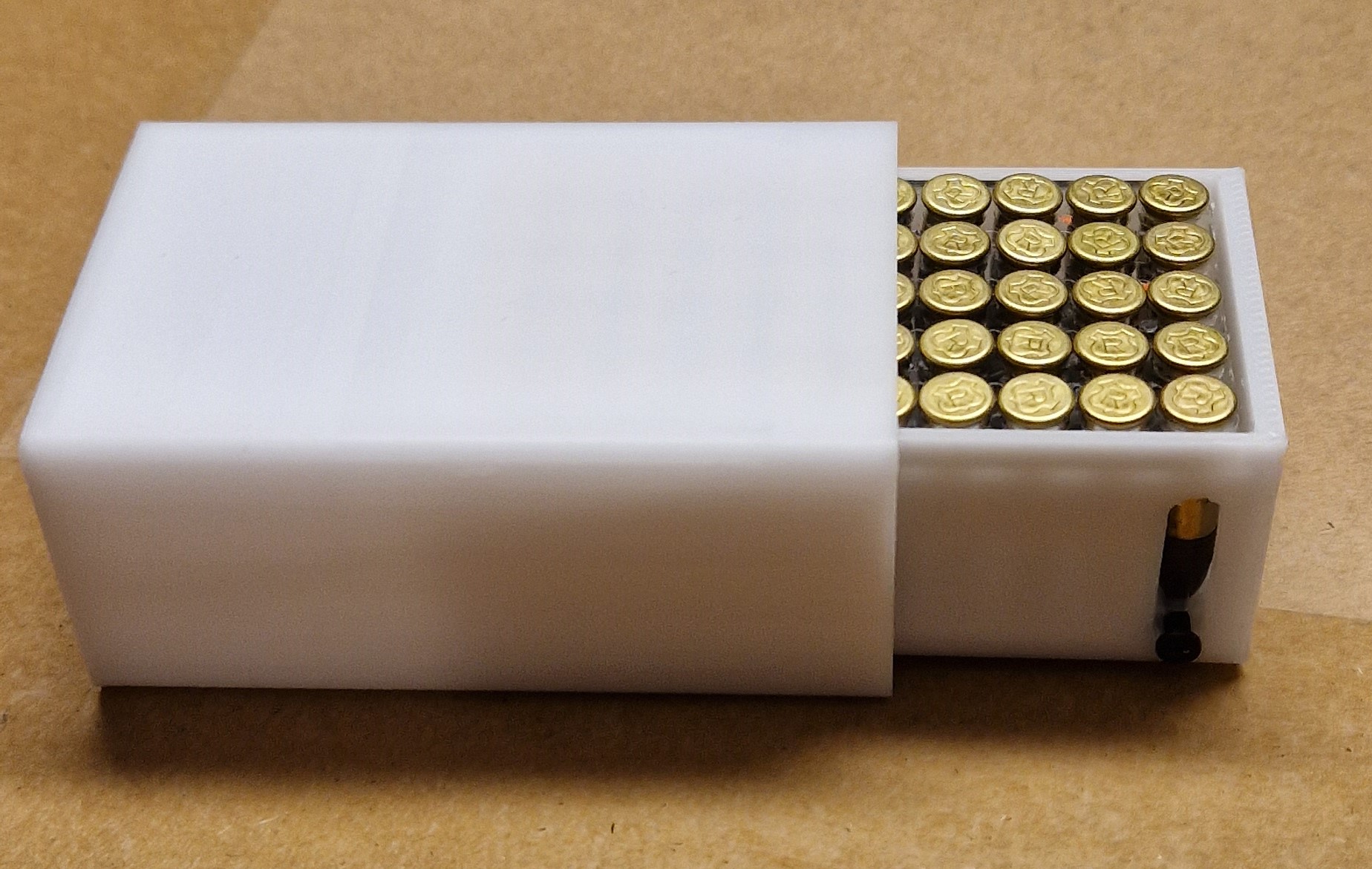
The Rifle Ammo for Sale 9x19mm Parabellum cartridge design hinges on a tapered, rimless case that feeds flawlessly from double-stack magazines, while its 19.15mm case length holds a pressure-tight seal around the bullet. The bullet itself, typically a 115 to 124-grain jacketed round nose, rides atop a small charge of fast-burning powder, creating a balanced ballistic profile optimized for recoil and velocity. This geometry—short enough for compact pistol actions but long enough for reliable powder burn—delivers consistent muzzle energy without overstressing the locking mechanism.
- Rimless case with extractor groove enables smooth ejection and Shotgun Ammo for Sale chambering in semiautomatic actions.
- Bottleneck-free straight wall simplifies manufacturing and reloading while maintaining chamber support.
- Standardized OAL of 29.69mm ensures compatibility across a vast range of firearms.
- Pressure spec of 35,000 psi balances power with slide velocity for reduced felt Rimfire Ammo for Sale recoil.
The Key Differences Between 9mm Luger, 9mm NATO, and 9mm Short
The big three 9mm cartridges can be confusing, but here’s the quick breakdown. **9mm Luger** (also called 9×19) is the standard civilian round, and it’s what most pistols are chambered for. 9mm NATO is essentially hotter, higher-pressure Luger ammo meant for military use—it runs fine in most modern guns but feels snappier and can wear older pistols faster. 9mm Short is a completely different cartridge, also known as .380 ACP. It’s shorter, weaker, and designed for compact, blowback pistols, so you cannot fire it in a 9mm Luger gun—they’re not interchangeable. The case lengths differ: Luger and NATO share 19mm, while Short 6.5 PRC Ammo for Sale is 17mm.
How to Choose the Right Bullet Weight for Your Needs
Choosing the right 9mm bullet weight hinges on your primary use case, as each grain weight imparts distinct ballistic behavior. For concealed carry, a 124-grain or 147-grain jacketed hollow point offers reliable penetration and expansion through clothing, while 115-grain loads produce lighter recoil for faster follow-up shots. For competitive shooting, 124-grain full metal jacket loads often provide a balance of felt recoil and muzzle flip, aiding in accurate split times. Heavier 147-grain subsonic rounds excel in suppressed firearms by avoiding supersonic crack, but they may require a recoil spring swap for flawless cycling in some pistols. Lighter 115-grain rounds generate higher velocity and flatter trajectories, making them suitable for target practice and plinking. Always test several weights in your specific firearm, as feed ramps and barrel twist rates can dictate reliability.
The best weight is the one that cycles reliably and lets you place rapid, accurate hits on target without straining your grip.
115 vs 124 vs 147 Grain: What Each Weight Does for Recoil and Accuracy
In 9mm, the classic 115 vs 124 vs 147 grain debate comes down to a trade-off between snap and push. Lighter 115-grain loads feel snappier, with a sharp, quick recoil impulse that can make fast follow-up shots feel hasty, though muzzle flip is more noticeable. The 124-grain is the goldilocks—a balanced, slightly softer push that makes accuracy easy to achieve without feeling sluggish. Heavier 147-grain subsonics trade speed for a gentle, rolling shove; recoil feels slower and deeper, which dramatically aids accuracy during slow, deliberate fire but can make the slide cycle feel mushy for competitive speed. Your accuracy will likely peak with whichever weight matches your grip strength and shooting rhythm—test all three to find your natural point of aim.
Q: Does 147 grain produce less felt recoil than 115 grain?
A: Yes, typically. While total momentum is similar, 147-grain spreads that energy over a longer timeframe, so you feel a push rather than a sharp snap. This makes recoil feel softer and easier to control for precision, even though the gun moves just as much overall.
Matching Bullet Weight to Your Gun’s Barrel Twist Rate
Your 9mm barrel’s twist rate—usually 1:10 or 1:7—dictates how fast a bullet spins, which matters for stability. Heavier rounds like 147-grain need a faster twist (1:7) to keep them from yawing, while lighter 115-grain bullets can fly just fine from the common 1:10. To match properly, check your barrel stamp or manual. Then, test different bullet weights at the range to spot keyholing or erratic accuracy. A simple sequence:

- Find your twist rate (stamped on barrel or slide).
- Pick a 7mm WSM Ammo for Sale bullet weight in the same stability zone (e.g., 124-grain for 1:10).
- Fire 10 rounds at 15 yards—if holes are clean circles, you’re set.
That’s the whole trick: let the rifling’s spin talk to the bullet’s length, not just its weight.
Full Metal Jacket vs Hollow Point: Which Round Should You Buy?
For 9mm ammo, your choice between full metal jacket (FMJ) and hollow point hinges entirely on intent. FMJ rounds, with their solid lead core and copper casing, are built for cost-effective range practice and reliable feeding in semi-autos; they punch clean holes without expanding, making them poor for stopping threats but ideal for honing accuracy. Hollow points, however, are designed for self-defense—their tip expands on impact, transferring maximum energy and creating a larger wound channel while significantly reducing over-penetration risk in a home. Buy FMJ for training volume, but load the magazine with hollow points for carry. *Yet, always verify your specific hollow point profile cycles flawlessly in your pistol, since feed-ramp sensitivities vary wildly between 9mm handguns.* Weigh the slight cost premium of hollow points against the irreplaceable value of reliable terminal performance. If you only buy one, prioritize hollow points for protection and accept the higher range bill.
When to Use FMJ for Range Practice and Training
For range practice and training, FMJ is your primary choice because its lower cost allows for high-volume repetition without budget strain. The fully enclosed lead core prevents fouling in your barrel, ensuring consistent cycling and reliable extraction during rapid drills. FMJ rounds for range practice and training also provide predictable point-of-impact, which is critical when you’re verifying sight alignment or building muscle memory. While their terminal performance is irrelevant on paper targets, the identical recoil impulse to defensive loads means your flinch control and follow-up shots translate directly to real-world shooting. Stick with FMJ for all standard qualification courses, malfunction drills, and sustained magazine work, preserving expensive hollow points for carry or final ballistics testing.
Use FMJ for every practice session where target penetration and expansion are not factors, prioritizing repetition, firearm reliability, and shooter mechanics over stopping power.
Why Hollow Points Expand on Impact and Their Self-Defense Advantage
When a 9mm hollow point hits soft tissue, the hollow cavity at the tip creates hydraulic pressure that forces the bullet’s jacket to peel outward, mushrooming into a wider, flatter shape. This rapid expansion increases the projectile’s frontal diameter, which slows it down faster and transfers more energy to the target in a shorter distance. For self-defense, that expansion matters because it reduces the risk of over-penetration—the round is more likely to stop inside an attacker rather than passing through and endangering bystanders. The trade-off is a greater stopping power advantage in a compact carry gun, but only if the bullet achieves enough velocity to expand reliably. In practice, you get:
- Larger wound channel from the expanded diameter.
- Faster energy dump that can incapacitate sooner.
- Lower chance of exit wounds in home-defense scenarios.
Understanding 9mm Pressure Levels and Velocity Ratings
Understanding 9mm pressure levels and velocity ratings starts with SAAMI specs, where standard pressure peaks at 35,000 psi and +P at 38,500 psi—exceeding these changes primer flattening and case specialty sports expansion. For 9mm ammo, velocity ratings directly reflect barrel length (a 4-inch barrel yields roughly 50–75 fps less than a 5-inch test barrel) and bullet weight: 115-grain loads typically run 1,150–1,250 fps, while 147-grain subsonic rounds stay under 1,050 fps to avoid supersonic crack. Never assume a +P rating is safe in older or compact pistols without manufacturer verification. Q: Why does 9mm ammo spec both pressure and velocity? A: Pressure determines safe function and reloading limits, while velocity tells you actual energy transfer and point-of-impact shift—both must be matched to your firearm’s spring rate and intended use.
Standard Pressure vs +P vs +P+ Loads and What They Mean for Your Firearm
Standard Pressure vs +P vs +P+ loads dictate how your 9mm performs and, more critically, how long it survives. Standard pressure (around 35,000 psi) is your safe baseline for every firearm, including older or compact models. +P ammunition (up to 38,500 psi) delivers a noticeable velocity and expansion boost but demands a firearm explicitly rated for it—check your manual. +P+ is unregulated, often exceeding 40,000 psi, and should only run through modern, heavy-duty pistols like a Glock 17 or SIG P226, as repeated use accelerates wear on locking blocks and springs. For defense, +P offers the best terminal effect without sacrificing reliability; reserve +P+ for duty use only.
Q: 6.5 Creedmoor Ammo for Sale Can I shoot +P+ in my standard 9mm pistol? No—unless the manufacturer explicitly states +P+ approval, stick to standard or +P to avoid catastrophic failure or premature parts breakage.
How Muzzle Velocity Affects Recoil, Trajectory, and Terminal Performance
In 9mm ammunition, muzzle velocity directly dictates the perceived recoil impulse; higher velocities generate increased momentum, translating to a snappier, sharper push, whereas slower loads feel softer but produce a more prolonged shove. This velocity also governs trajectory, as a faster round like a 115-grain +P load at 1,250 fps requires less holdover at 25 yards compared to a subsonic 147-grain load at 950 fps, which drops more noticeably. Terminally, velocity-driven expansion and penetration determine effectiveness: a standard-pressure 124-grain load at 1,150 fps typically expands reliably, while dropping below roughly 1,000 fps can cause hollow points to under-expand, risking over-penetration without sufficient energy transfer. Balancing these factors—recoil management, flat shooting, and wound mechanics—means selecting a velocity that suits your firearm’s spring rate and your intended defensive distance.
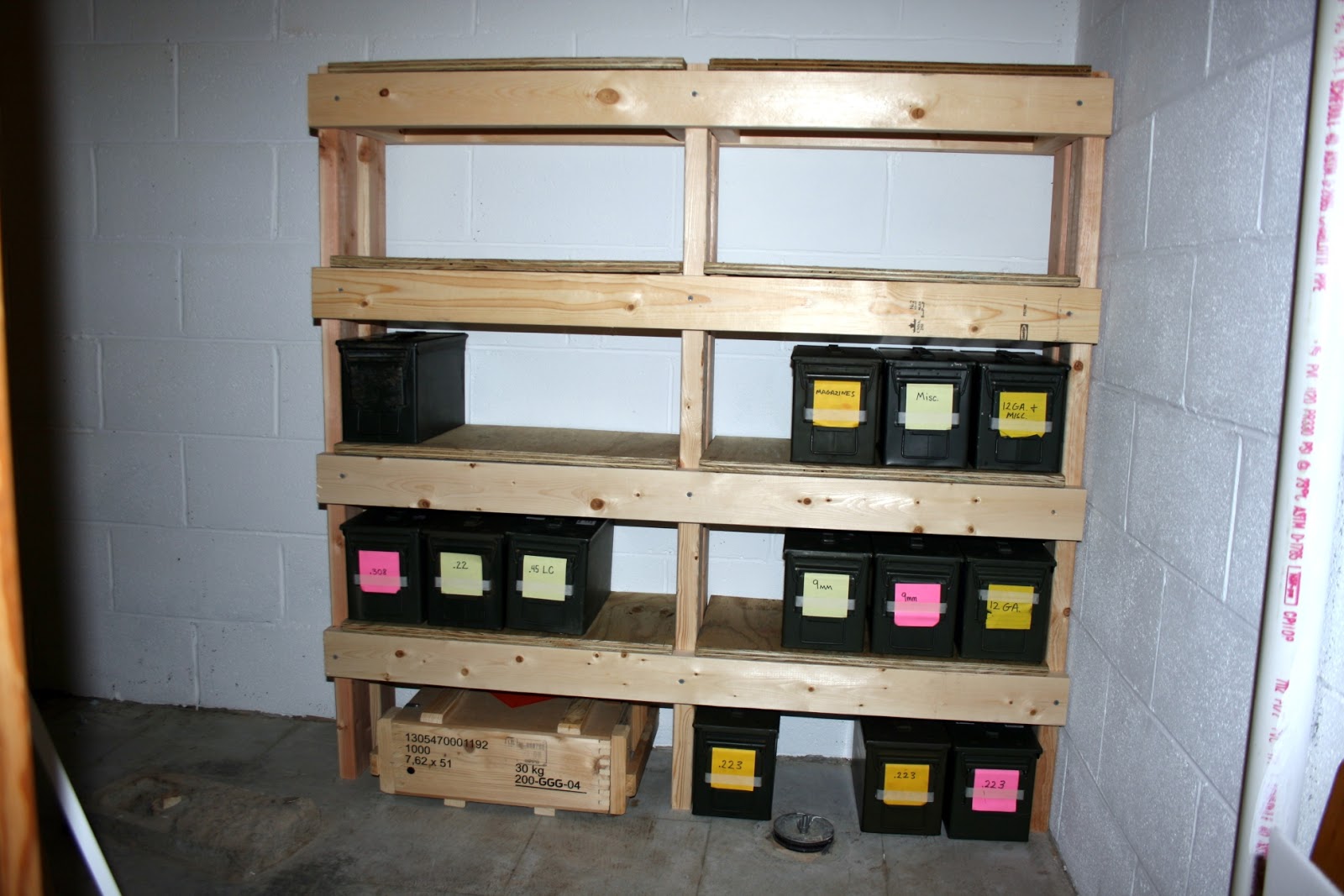
Practical Tips for Storing, Handling, and Buying 9mm Cartridges
When buying 9mm ammo, prioritize sealed primers and case mouths for long-term reliability. For storing 9mm cartridges, keep them in a cool, dry place—below 75°F—inside airtight ammo cans with desiccant packs; never store them in a hot car, as temperature swings degrade powder and cause pressure spikes. When handling, always inspect for corrosion, dents, or loose bullets before loading, and grip the cartridge by the case body to avoid oil contaminating the primer. For purchases, buy in bulk from reputable brands like Federal or Speer, but test a small batch first and rotate your stock, using the oldest ammo first. Also, check headstamp 7mm-08 Ammo for Sale consistency to avoid mixing reloads, and always keep your 9mm cartridges away from solvents and lubricants—they can seep past the primer and kill ignition.
How to Read a 9mm Ammo Box Label Without Getting Confused
To avoid confusion, start by checking the **headstamp information on the box**’s main panel: caliber (9mm Luger, 9×19, or 9mm NATO), bullet weight in grains (e.g., 115, 124, 147), and bullet type (FMJ, JHP). Ignore marketing terms like “tactical” or “defense”—they don’t affect compatibility. Look for velocity (fps) and pressure rating (standard vs. +P), as +P loads require a pressure-rated barrel. Match the box’s stated cartridge overall length (COL) to your firearm’s magazine if using reloads. If the box lists “brass” vs. “aluminum” or “steel” cases, note that steel cases may stick in tight chambers. Always verify the primer type (boxer vs. berdan) if you reload. Reading the fine print on the side panel reveals lot number and manufacturing date, crucial for storage rotation.
Best Practices for Rotating Your Stock and Avoiding Duds
To keep your 9mm reliable, adopt a strict first-in, first-out rotation, always placing fresh boxes behind older inventory so you naturally shoot the oldest rounds first. Inspect every cartridge during loading, checking for deep seating, corrosion, or loose primers, and immediately set aside any suspect round for safe disposal rather than chambering it. Store your stock in a cool, dry environment with silica gel packs, as humidity is the primary catalyst for squib loads and misfires. Even premium ammunition will betray you if it sits for years in a hot car trunk, so cycle your defensive hollow points into practice sessions every six months to verify they still feed reliably. Finally, avoid buying from unknown bulk lots where headstamps vary wildly, and stick to one lot number per magazine to reduce pressure inconsistencies. Proactive lot tracking is your shield against duds, turning a random box of ammo into a trusted, predictable system.
Common 9mm Accuracy Issues and How to Fix Them
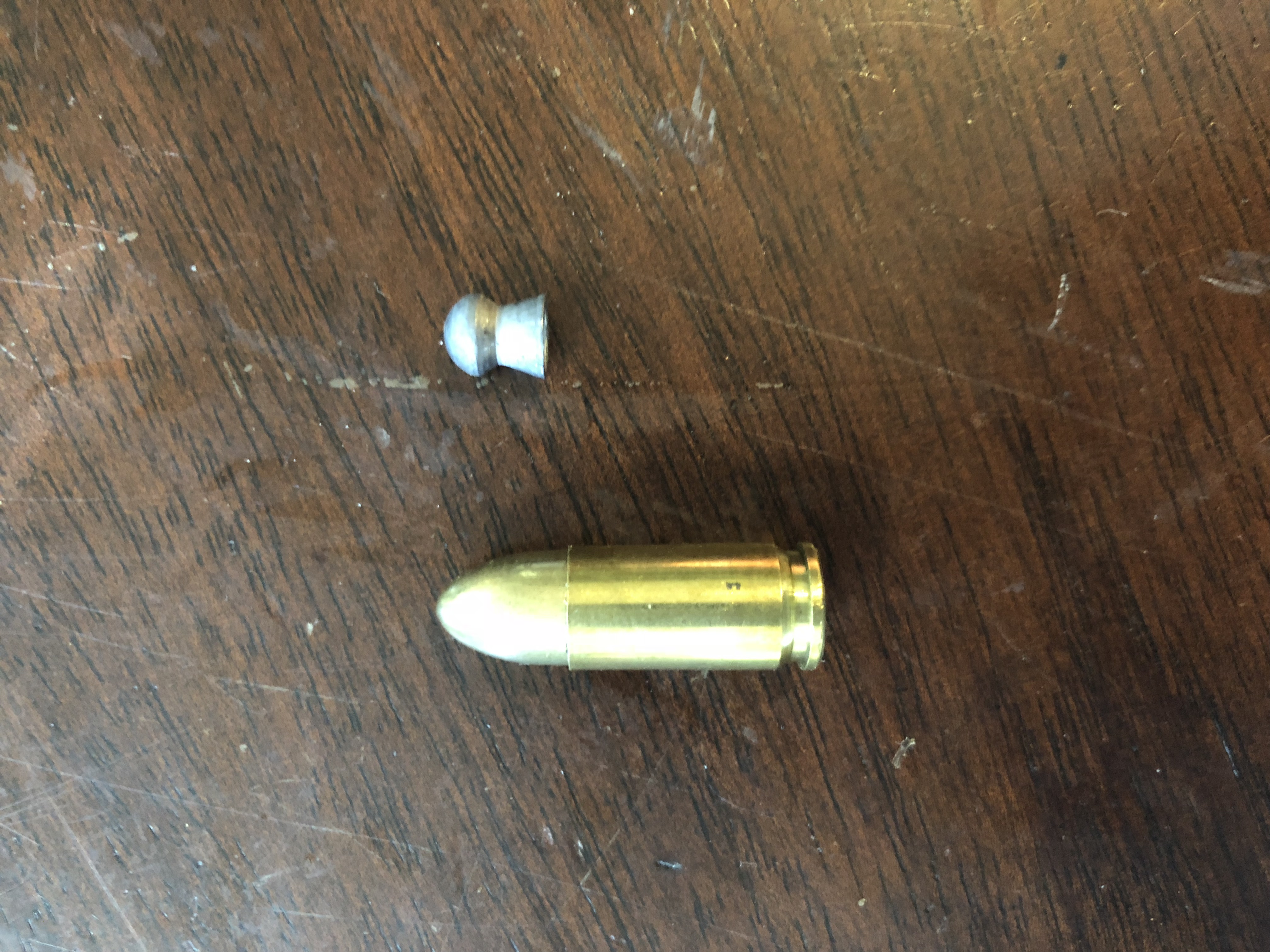
Inconsistent 9mm accuracy often stems from ammo-related variables, not just your trigger pull. Handgun Ammo for Sale Bullet weight mismatch is a prime culprit—a 115-grain load may group tightly in one barrel while keyholing in another, so test 124-grain and 147-grain options to find your firearm’s preferred harmonic. Seating depth and case length variations cause pressure spikes that shift point of impact, especially in reloads, while factory ammo with uneven crimp can let bullets walk under recoil. Muzzle velocity spreads above 50 fps create vertical stringing at distance; switch to match-grade or low-extreme-spread defensive loads. Also, check your ammo’s overall length—rounds that jam against the rifling degrade consistency. Sometimes the most accurate fix is simply cleaning carbon fouling from the chamber, which alters bullet release uniformity. Finally, ensure your grip torque matches the recoil impulse of the specific 9mm load, as weak wrists amplify ammo-driven wobble.
Why Your Groups Are Wide: Ammo-Related Causes and Fixes
Wide 9mm groups often trace directly to ammunition inconsistencies rather than shooter error. Inconsistent bullet seating depth is a primary culprit, as variations alter chamber pressure and bullet jump, shifting point of impact between shots. Likewise, uneven case mouth tension causes bullet pull variance, leading to velocity spreads that open vertical dispersion. To diagnose, measure cartridge overall length across a box; a 0.005-inch deviation demands attention. Fixes follow a logical order:
- Switch to a single lot of match-grade ammo with verified tolerances.
- Weigh each round—a 1-grain difference signals powder charge issues.
- Test crimp tension by pushing a seated bullet against a solid surface; movement means insufficient taper crimp.
Also, inspect for bullet ogive variations, which alter seating depth even when COAL appears uniform. Finally, avoid mixed headstamp brass, as internal volume differences destabilize pressure curves.
Using Different 9mm Loads to Diagnose Your Shooting Form
Swapping between 115-grain, 124-grain, and 147-grain 9mm loads reveals your flinch, anticipation, or grip tension through predictable POI shifts. A low-left group with a light 115-grain load indicates you are pushing the muzzle down before ignition, whereas the same pattern with heavy 147-grain subsonics points to a wrist collapse under increased recoil impulse. Shoot a slow-fire, single-shot drill with each load, resetting your sight picture after every round; if the 124-grain standard-pressure load prints center but the others wander, your form is load-sensitive rather than mechanically broken. This diagnostic also separates trigger control from recoil management, as a clean press should group any 9mm load within a palm-sized circle at 10 yards. Diagnosing flinch with varied 9mm loads requires that your grip pressure and stance stay identical across all tests, so only the ammunition changes.
If your groups shift between 115, 124, and 147-grain loads, your sight alignment is fine—your grip and trigger press are compensating for recoil differently.