V súčasnej dobe sa online hazardné hry stávajú čoraz populárnejšími a Drakaris Casino ponúka hráčom v Slovensku výnimočnú hernú skúsenosť, pričom casino drakaris sa vyznačuje širokým výberom hier, atraktívnymi bonusmi a dôrazom na zodpovedné hranie. Tento svet kasín je plný možností pre zábavu a zisk.
Ako Drakaris Casino vyhovuje skutočným potrebám hráčov
Drakaris Casino sa orientuje na potreby slovenských hráčov, čím sa snaží poskytnúť komplexný herný zážitok. S množstvom hier vrátane slotov, stolových hier a live kasína, si každý hráč nájde niečo pre seba. Okrem toho, Drakaris Casino ponúka atraktívny uvítací balík, ktorý obsahuje bonusy na prvé tri vklady, ako aj množstvo bezplatných otočení. Týmto spôsobom sa kasíno snaží prilákať nových hráčov, zatiaľ čo existujúcim ponúka množstvo výhod a zábavy.
Navyše, s dostupnosťou zákazníckej podpory 24/7 a dôrazom na bezpečnosť, Drakaris Casino si udržuje vysokú úroveň dôvery medzi svojimi hráčmi. Tieto faktory robia z Drakaris Casino atraktívnu voľbu pre každého, kto sa zaujíma o online hazard.
Ako začať hrať v Drakaris Casino
Ak sa chystáte začať svoju cestu s Drakaris Casino, tu sú kroky, ktoré by ste mali nasledovať:
Vytvorte si účet: Navštívte stránku kasína a zaregistrujte sa vyplnením požadovaných údajov.
Overte svoje údaje: Prijmite overenie, aby ste potvrdili svoju identitu a zabezpečili váš účet.
Urobte prvý vklad: Zvoľte si preferovaný spôsob platby a vykonajte prvý vklad, aby ste mohli začať hrať.
Vyberte si hru: Preskúmajte herný katalóg a vyberte si hru, ktorá vás najviac zaujíma.
Začnite hrať: Po výbere hry sa pustite do zábavy a užívajte si herný zážitok v Drakaris Casino.
Jednoduché a intuitívne rozhranie pre registráciu.
Rýchle overenie vašich údajov pre ochranu vašich osobných informácií.
Možnosť využiť atraktívne uvítacie bonusy pri prvom vklade.
Praktické informácie pre hráčov Drakaris Casino
Drakaris Casino ponúka širokú škálu hier, ktoré pokrývajú všetky preferencie hráčov. Od moderných video automatov cez tradičné stolové hry až po živé dealeri, hráči sa nikdy nebudú nudiť. Noví hráči tiež môžu využiť rôzne bonusy, ktoré sa odvíjajú od ich vkladu. Napríklad, prvý vklad môže priniesť bonus vo výške 100% až do €500 a 100 bezplatných otočení. Druhý a tretí vklad vkladu obsahujú ďalších 75% a 100% bonusy, čo predstavuje až €750 a 150 bezplatných otočení. Takto môže hráč získať až €2,000 a 350 bezplatných otočení len pri registrácii a prvých troch vkladoch.
Rýchle a bezpečné výbery, často do niekoľkých minút.
Automatické denné cashbacky z čistých strát pre existujúcich hráčov.
VIP program pre verných hráčov s množstvom exkluzívnych výhod.
Drakaris Casino sa snaží udržať hráčov motivovaných a zapojených prostredníctvom pravidelných akcií a turnajov, ktoré umožňujú vyhrať zaujímavé ceny a bonusy. Týmto spôsobom si kasíno získava dôveru a lojalitu svojich hráčov.
Kľúčové výhody Drakaris Casino
Drakaris Casino ponúka množstvo výhod, ktoré zvyšujú celkový herný zážitok. Tieto výhody sú navrhnuté tak, aby uspokojili aj tých najnáročnejších hráčov:
Široká herná knihovna: Obrovský výber hier vrátane najnovších slotov a tradičných stolových hier.
Možnosti bonusov: Atraktívne uvítacie bonusy a promo akcie pre nových i existujúcich hráčov.
Rýchly proces výberu: Väčšina výberov je spracovaná v priebehu niekoľkých minút.
Odborná zákaznícka podpora: K dispozícii 24 hodín denne, 7 dní v týždni, na pomoc s akýmikoľvek otázkami.
Tieto faktory robia Drakaris Casino atraktívnym miestom pre každého, kto sa zaujíma o online hazard. Je to miesto, kde sa spojenie zábavy a šancí na výhru stáva realitou.
Dôvera a bezpečnosť v Drakaris Casino
Bezpečnosť hráčov je v Drakaris Casino na prvom mieste. Kasíno používa najmodernejšie šifrovacie technológie na ochranu osobných a finančných údajov hráčov. Taktiež je licencované a regulované, čo zabezpečuje, že všetky hry sú spravodlivé a transparentné. Hráči sa môžu cítiť pohodlne pri hraní, pretože kasíno zabezpečuje prísne bezpečnostné štandardy.
Okrem toho, Drakaris Casino kladie dôraz na zodpovedné hranie. Poskytuje hráčom možnosti nastaviť si limity na vklady a čas strávený na stránke, čo dodáva ďalšiu vrstvu bezpečnosti a podpory pre hráčov, ktorí sa snažia ovládať svoje hranie.
Prečo si vybrať Drakaris Casino
Drakaris Casino je vynikajúcou voľbou pre každého, kto hľadá kvalitné online herné zážitky. S rozšírenými možnosťami hracích automatov, živými hrami a zmyslom pre zodpovednosť, toto kasíno patrí medzi najlepšie voľby na slovenskom trhu. Uvítacie bonusy, rýchly proces výberu a odborná zákaznícka podpora len posilňujú jeho atraktivitu.
Ak ste pripravení na vzrušujúci herný zážitok, neváhajte sa zaregistrovať a začať svoju cestu v Drakaris Casino ešte dnes. S množstvom hier a bonusov, ktoré na vás čakajú, je to ideálne miesto na rozšírenie vašich herných horizontov.
9mm Ammo Ballistic Data and Buying Guide for Shooters
When you need a dependable round for personal defense that balances stopping power with manageable recoil, the 9mm cartridge answers that call with proven consistency. Its brass case holds a precise powder charge that propels a jacketed bullet at high velocity, expanding reliably upon impact to neutralize threats effectively. This ammunition feeds smoothly in most modern semi-automatic pistols, letting you focus on accuracy instead of wrestling with your firearm. With its optimal blend of capacity and control, the 9mm gives you the confidence to defend yourself without overthinking your choice.
What Exactly Is 9mm Ammo and Why Is It So Popular?
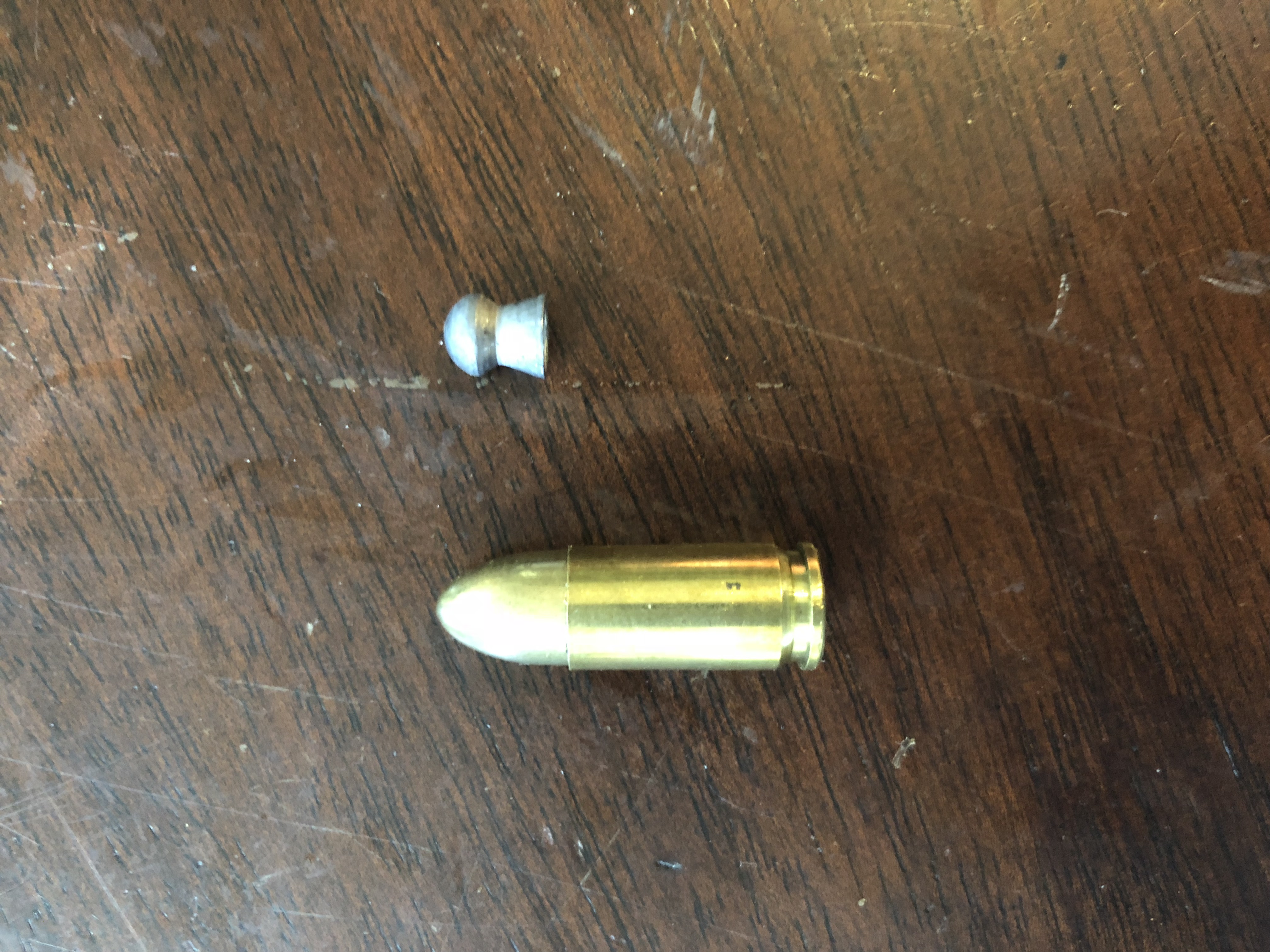
The 9mm cartridge, specifically the 9x19mm Parabellum, is a rimless, centerfire pistol round defined by its 9mm bullet diameter and a case length of 19mm. Its overwhelming popularity stems from a near-perfect balance of manageable recoil, high magazine capacity, and reliable terminal performance for self-defense. Most shooters find it far easier to shoot accurately and rapidly than larger calibers, Ammunition for Sale which directly translates to faster follow-up shots and better shot placement under stress. Additionally, the round’s compact dimensions allow for slim, concealable handguns without sacrificing stopping power for civilian defensive scenarios. No other cartridge has achieved such universal acceptance across military, law enforcement, and civilian pistols. This ubiquity drives down cost and ensures endless variety, from lightweight hollow points to full metal jacket practice loads. For practical use, the 9mm offers sufficient penetration and expansion with modern defensive ammunition, while its lower recoil impulse keeps you on target. Ultimately, it is the definitive all-purpose handgun round, not because it is the most powerful, but because it is the most effective in real-world handling.
Breaking Down the 9x19mm Parabellum Cartridge Design
The Rifle Ammo for Sale 9x19mm Parabellum cartridge design hinges on a tapered, rimless case that feeds flawlessly from double-stack magazines, while its 19.15mm case length holds a pressure-tight seal around the bullet. The bullet itself, typically a 115 to 124-grain jacketed round nose, rides atop a small charge of fast-burning powder, creating a balanced ballistic profile optimized for recoil and velocity. This geometry—short enough for compact pistol actions but long enough for reliable powder burn—delivers consistent muzzle energy without overstressing the locking mechanism.
Rimless case with extractor groove enables smooth ejection and Shotgun Ammo for Sale chambering in semiautomatic actions.
Bottleneck-free straight wall simplifies manufacturing and reloading while maintaining chamber support.
Standardized OAL of 29.69mm ensures compatibility across a vast range of firearms.
Pressure spec of 35,000 psi balances power with slide velocity for reduced felt Rimfire Ammo for Sale recoil.
The Key Differences Between 9mm Luger, 9mm NATO, and 9mm Short
The big three 9mm cartridges can be confusing, but here’s the quick breakdown. **9mm Luger** (also called 9×19) is the standard civilian round, and it’s what most pistols are chambered for. 9mm NATO is essentially hotter, higher-pressure Luger ammo meant for military use—it runs fine in most modern guns but feels snappier and can wear older pistols faster. 9mm Short is a completely different cartridge, also known as .380 ACP. It’s shorter, weaker, and designed for compact, blowback pistols, so you cannot fire it in a 9mm Luger gun—they’re not interchangeable. The case lengths differ: Luger and NATO share 19mm, while Short 6.5 PRC Ammo for Sale is 17mm.
How to Choose the Right Bullet Weight for Your Needs
Choosing the right 9mm bullet weight hinges on your primary use case, as each grain weight imparts distinct ballistic behavior. For concealed carry, a 124-grain or 147-grain jacketed hollow point offers reliable penetration and expansion through clothing, while 115-grain loads produce lighter recoil for faster follow-up shots. For competitive shooting, 124-grain full metal jacket loads often provide a balance of felt recoil and muzzle flip, aiding in accurate split times. Heavier 147-grain subsonic rounds excel in suppressed firearms by avoiding supersonic crack, but they may require a recoil spring swap for flawless cycling in some pistols. Lighter 115-grain rounds generate higher velocity and flatter trajectories, making them suitable for target practice and plinking. Always test several weights in your specific firearm, as feed ramps and barrel twist rates can dictate reliability.
The best weight is the one that cycles reliably and lets you place rapid, accurate hits on target without straining your grip.
115 vs 124 vs 147 Grain: What Each Weight Does for Recoil and Accuracy
In 9mm, the classic 115 vs 124 vs 147 grain debate comes down to a trade-off between snap and push. Lighter 115-grain loads feel snappier, with a sharp, quick recoil impulse that can make fast follow-up shots feel hasty, though muzzle flip is more noticeable. The 124-grain is the goldilocks—a balanced, slightly softer push that makes accuracy easy to achieve without feeling sluggish. Heavier 147-grain subsonics trade speed for a gentle, rolling shove; recoil feels slower and deeper, which dramatically aids accuracy during slow, deliberate fire but can make the slide cycle feel mushy for competitive speed. Your accuracy will likely peak with whichever weight matches your grip strength and shooting rhythm—test all three to find your natural point of aim.
Q: Does 147 grain produce less felt recoil than 115 grain? A: Yes, typically. While total momentum is similar, 147-grain spreads that energy over a longer timeframe, so you feel a push rather than a sharp snap. This makes recoil feel softer and easier to control for precision, even though the gun moves just as much overall.
Matching Bullet Weight to Your Gun’s Barrel Twist Rate
Your 9mm barrel’s twist rate—usually 1:10 or 1:7—dictates how fast a bullet spins, which matters for stability. Heavier rounds like 147-grain need a faster twist (1:7) to keep them from yawing, while lighter 115-grain bullets can fly just fine from the common 1:10. To match properly, check your barrel stamp or manual. Then, test different bullet weights at the range to spot keyholing or erratic accuracy. A simple sequence:
Find your twist rate (stamped on barrel or slide).
Pick a 7mm WSM Ammo for Sale bullet weight in the same stability zone (e.g., 124-grain for 1:10).
Fire 10 rounds at 15 yards—if holes are clean circles, you’re set.
That’s the whole trick: let the rifling’s spin talk to the bullet’s length, not just its weight.
Full Metal Jacket vs Hollow Point: Which Round Should You Buy?
For 9mm ammo, your choice between full metal jacket (FMJ) and hollow point hinges entirely on intent. FMJ rounds, with their solid lead core and copper casing, are built for cost-effective range practice and reliable feeding in semi-autos; they punch clean holes without expanding, making them poor for stopping threats but ideal for honing accuracy. Hollow points, however, are designed for self-defense—their tip expands on impact, transferring maximum energy and creating a larger wound channel while significantly reducing over-penetration risk in a home. Buy FMJ for training volume, but load the magazine with hollow points for carry. *Yet, always verify your specific hollow point profile cycles flawlessly in your pistol, since feed-ramp sensitivities vary wildly between 9mm handguns.* Weigh the slight cost premium of hollow points against the irreplaceable value of reliable terminal performance. If you only buy one, prioritize hollow points for protection and accept the higher range bill.
When to Use FMJ for Range Practice and Training
For range practice and training, FMJ is your primary choice because its lower cost allows for high-volume repetition without budget strain. The fully enclosed lead core prevents fouling in your barrel, ensuring consistent cycling and reliable extraction during rapid drills. FMJ rounds for range practice and training also provide predictable point-of-impact, which is critical when you’re verifying sight alignment or building muscle memory. While their terminal performance is irrelevant on paper targets, the identical recoil impulse to defensive loads means your flinch control and follow-up shots translate directly to real-world shooting. Stick with FMJ for all standard qualification courses, malfunction drills, and sustained magazine work, preserving expensive hollow points for carry or final ballistics testing.
Use FMJ for every practice session where target penetration and expansion are not factors, prioritizing repetition, firearm reliability, and shooter mechanics over stopping power.
Why Hollow Points Expand on Impact and Their Self-Defense Advantage
When a 9mm hollow point hits soft tissue, the hollow cavity at the tip creates hydraulic pressure that forces the bullet’s jacket to peel outward, mushrooming into a wider, flatter shape. This rapid expansion increases the projectile’s frontal diameter, which slows it down faster and transfers more energy to the target in a shorter distance. For self-defense, that expansion matters because it reduces the risk of over-penetration—the round is more likely to stop inside an attacker rather than passing through and endangering bystanders. The trade-off is a greater stopping power advantage in a compact carry gun, but only if the bullet achieves enough velocity to expand reliably. In practice, you get:
Larger wound channel from the expanded diameter.
Faster energy dump that can incapacitate sooner.
Lower chance of exit wounds in home-defense scenarios.
Understanding 9mm Pressure Levels and Velocity Ratings
Understanding 9mm pressure levels and velocity ratings starts with SAAMI specs, where standard pressure peaks at 35,000 psi and +P at 38,500 psi—exceeding these changes primer flattening and case specialty sports expansion. For 9mm ammo, velocity ratings directly reflect barrel length (a 4-inch barrel yields roughly 50–75 fps less than a 5-inch test barrel) and bullet weight: 115-grain loads typically run 1,150–1,250 fps, while 147-grain subsonic rounds stay under 1,050 fps to avoid supersonic crack. Never assume a +P rating is safe in older or compact pistols without manufacturer verification. Q: Why does 9mm ammo spec both pressure and velocity? A: Pressure determines safe function and reloading limits, while velocity tells you actual energy transfer and point-of-impact shift—both must be matched to your firearm’s spring rate and intended use.
Standard Pressure vs +P vs +P+ Loads and What They Mean for Your Firearm
Standard Pressure vs +P vs +P+ loads dictate how your 9mm performs and, more critically, how long it survives. Standard pressure (around 35,000 psi) is your safe baseline for every firearm, including older or compact models. +P ammunition (up to 38,500 psi) delivers a noticeable velocity and expansion boost but demands a firearm explicitly rated for it—check your manual. +P+ is unregulated, often exceeding 40,000 psi, and should only run through modern, heavy-duty pistols like a Glock 17 or SIG P226, as repeated use accelerates wear on locking blocks and springs. For defense, +P offers the best terminal effect without sacrificing reliability; reserve +P+ for duty use only.
Q: 6.5 Creedmoor Ammo for Sale Can I shoot +P+ in my standard 9mm pistol? No—unless the manufacturer explicitly states +P+ approval, stick to standard or +P to avoid catastrophic failure or premature parts breakage.
How Muzzle Velocity Affects Recoil, Trajectory, and Terminal Performance
In 9mm ammunition, muzzle velocity directly dictates the perceived recoil impulse; higher velocities generate increased momentum, translating to a snappier, sharper push, whereas slower loads feel softer but produce a more prolonged shove. This velocity also governs trajectory, as a faster round like a 115-grain +P load at 1,250 fps requires less holdover at 25 yards compared to a subsonic 147-grain load at 950 fps, which drops more noticeably. Terminally, velocity-driven expansion and penetration determine effectiveness: a standard-pressure 124-grain load at 1,150 fps typically expands reliably, while dropping below roughly 1,000 fps can cause hollow points to under-expand, risking over-penetration without sufficient energy transfer. Balancing these factors—recoil management, flat shooting, and wound mechanics—means selecting a velocity that suits your firearm’s spring rate and your intended defensive distance.
Practical Tips for Storing, Handling, and Buying 9mm Cartridges
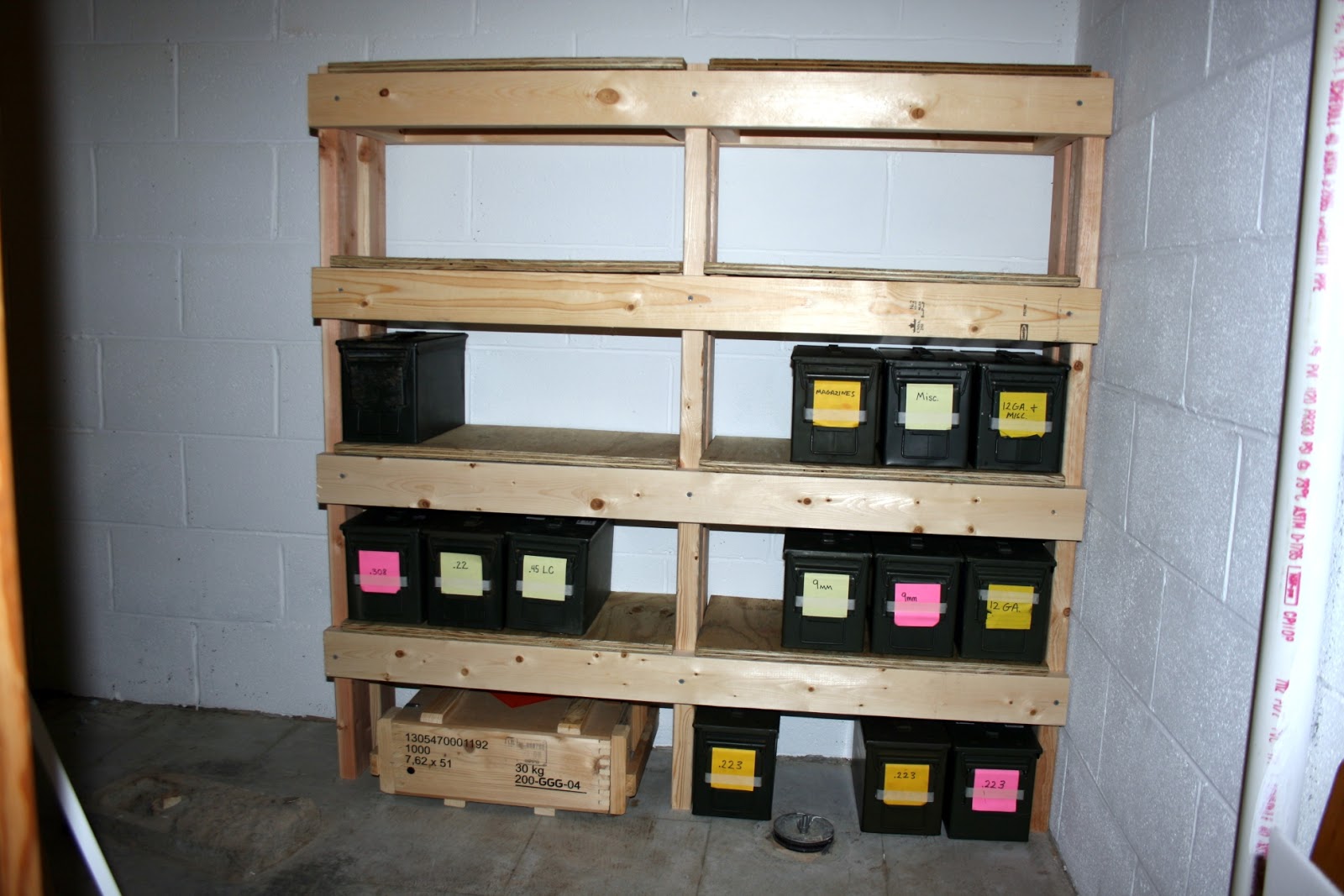
When buying 9mm ammo, prioritize sealed primers and case mouths for long-term reliability. For storing 9mm cartridges, keep them in a cool, dry place—below 75°F—inside airtight ammo cans with desiccant packs; never store them in a hot car, as temperature swings degrade powder and cause pressure spikes. When handling, always inspect for corrosion, dents, or loose bullets before loading, and grip the cartridge by the case body to avoid oil contaminating the primer. For purchases, buy in bulk from reputable brands like Federal or Speer, but test a small batch first and rotate your stock, using the oldest ammo first. Also, check headstamp 7mm-08 Ammo for Sale consistency to avoid mixing reloads, and always keep your 9mm cartridges away from solvents and lubricants—they can seep past the primer and kill ignition.
How to Read a 9mm Ammo Box Label Without Getting Confused
To avoid confusion, start by checking the **headstamp information on the box**’s main panel: caliber (9mm Luger, 9×19, or 9mm NATO), bullet weight in grains (e.g., 115, 124, 147), and bullet type (FMJ, JHP). Ignore marketing terms like “tactical” or “defense”—they don’t affect compatibility. Look for velocity (fps) and pressure rating (standard vs. +P), as +P loads require a pressure-rated barrel. Match the box’s stated cartridge overall length (COL) to your firearm’s magazine if using reloads. If the box lists “brass” vs. “aluminum” or “steel” cases, note that steel cases may stick in tight chambers. Always verify the primer type (boxer vs. berdan) if you reload. Reading the fine print on the side panel reveals lot number and manufacturing date, crucial for storage rotation.
Best Practices for Rotating Your Stock and Avoiding Duds
To keep your 9mm reliable, adopt a strict first-in, first-out rotation, always placing fresh boxes behind older inventory so you naturally shoot the oldest rounds first. Inspect every cartridge during loading, checking for deep seating, corrosion, or loose primers, and immediately set aside any suspect round for safe disposal rather than chambering it. Store your stock in a cool, dry environment with silica gel packs, as humidity is the primary catalyst for squib loads and misfires. Even premium ammunition will betray you if it sits for years in a hot car trunk, so cycle your defensive hollow points into practice sessions every six months to verify they still feed reliably. Finally, avoid buying from unknown bulk lots where headstamps vary wildly, and stick to one lot number per magazine to reduce pressure inconsistencies. Proactive lot tracking is your shield against duds, turning a random box of ammo into a trusted, predictable system.
Common 9mm Accuracy Issues and How to Fix Them
Inconsistent 9mm accuracy often stems from ammo-related variables, not just your trigger pull. Handgun Ammo for Sale Bullet weight mismatch is a prime culprit—a 115-grain load may group tightly in one barrel while keyholing in another, so test 124-grain and 147-grain options to find your firearm’s preferred harmonic. Seating depth and case length variations cause pressure spikes that shift point of impact, especially in reloads, while factory ammo with uneven crimp can let bullets walk under recoil. Muzzle velocity spreads above 50 fps create vertical stringing at distance; switch to match-grade or low-extreme-spread defensive loads. Also, check your ammo’s overall length—rounds that jam against the rifling degrade consistency. Sometimes the most accurate fix is simply cleaning carbon fouling from the chamber, which alters bullet release uniformity. Finally, ensure your grip torque matches the recoil impulse of the specific 9mm load, as weak wrists amplify ammo-driven wobble.
Why Your Groups Are Wide: Ammo-Related Causes and Fixes
Wide 9mm groups often trace directly to ammunition inconsistencies rather than shooter error. Inconsistent bullet seating depth is a primary culprit, as variations alter chamber pressure and bullet jump, shifting point of impact between shots. Likewise, uneven case mouth tension causes bullet pull variance, leading to velocity spreads that open vertical dispersion. To diagnose, measure cartridge overall length across a box; a 0.005-inch deviation demands attention. Fixes follow a logical order:
Switch to a single lot of match-grade ammo with verified tolerances.
Weigh each round—a 1-grain difference signals powder charge issues.
Test crimp tension by pushing a seated bullet against a solid surface; movement means insufficient taper crimp.
Also, inspect for bullet ogive variations, which alter seating depth even when COAL appears uniform. Finally, avoid mixed headstamp brass, as internal volume differences destabilize pressure curves.
Using Different 9mm Loads to Diagnose Your Shooting Form
Swapping between 115-grain, 124-grain, and 147-grain 9mm loads reveals your flinch, anticipation, or grip tension through predictable POI shifts. A low-left group with a light 115-grain load indicates you are pushing the muzzle down before ignition, whereas the same pattern with heavy 147-grain subsonics points to a wrist collapse under increased recoil impulse. Shoot a slow-fire, single-shot drill with each load, resetting your sight picture after every round; if the 124-grain standard-pressure load prints center but the others wander, your form is load-sensitive rather than mechanically broken. This diagnostic also separates trigger control from recoil management, as a clean press should group any 9mm load within a palm-sized circle at 10 yards. Diagnosing flinch with varied 9mm loads requires that your grip pressure and stance stay identical across all tests, so only the ammunition changes.
If your groups shift between 115, 124, and 147-grain loads, your sight alignment is fine—your grip and trigger press are compensating for recoil differently.
Sex dolls Australia has evolved far beyond a niche curiosity, offering lifelike companions engineered for realism, durability, and personal satisfaction. Whether you seek a customisable partner or a premium wellness investment, the local market delivers discreet, high-quality options that redefine modern intimacy. Elevate your experience with cutting-edge materials and craftsmanship built to last.
Understanding the Market for Adult Companions Down Under
The adult companionship industry in Australia operates within a fascinating paradox—a highly regulated yet socially vibrant marketplace that thrives on discretion and digital innovation. SEO-driven marketing strategies have become the lifeblood for agencies and independent escorts alike, as clients increasingly turn to search engines to find verified, safe, and premium experiences. The market is sharply segmented, from high-end companions catering to corporate travellers in Sydney and Melbourne to niche providers in regional hubs, each leveraging localised keywords and authentic reviews to build trust.
In this landscape, reputation isn’t just currency—it’s the ultimate filter for serious clientele.
Crucially, legal frameworks vary by state, with decriminalisation in NSW fostering a more open, professionalised sector, while other regions grapple with stricter enforcement. This complexity demands that marketers stay agile, prioritising privacy-compliant content and geo-targeted landing pages to capture high-intent queries. The result is a competitive, resilient market where emotional intelligence and sharp digital foresight determine who thrives.
Key Demographics and Buyer Motivations in the Australian Market
The Australian adult companionship market is a sophisticated, multi-tiered ecosystem driven by discretion, safety, and premium service expectations. Unlike transactional stereotypes, savvy clients and providers navigate a landscape where **verified profiles and clear communication are non-negotiable**. Demand clusters around metropolitan hubs like Sydney and Melbourne, yet regional travel companions command strong premiums due to scarcity. Successful operators leverage digital marketing, streamlined booking systems, and stringent vetting to build trust. The market increasingly favors curated experiences over hourly encounters, with a rising focus on emotional intelligence and bespoke itineraries. Regulatory ambiguity means compliance and privacy protection are competitive advantages, not afterthoughts. To thrive Down Under, you must prioritize accountability and long-term reputation over short-term gains.
How Local Preferences Shape Design and Customization Choices
The Australian adult companionship market is a sophisticated, regulated landscape where discretion, safety, and genuine connection drive demand. Unlike transactional stereotypes, today’s clients—from busy executives to travelers—seek curated experiences that prioritize emotional intelligence and professional boundaries. Premium companion services in Australia thrive on verified profiles, transparent pricing, and strict adherence to local legal frameworks, which vary by state but consistently emphasize consent and health standards. To succeed, providers must invest in high-quality digital branding, offer flexible booking options (including outcall and multi-hour engagements), and build referral networks through reputable agencies. The market rewards those who treat companionship as a hospitality profession, not a grey-area gig. With rising disposable income and a shift toward experiential spending, the demand for polished, articulate, and culturally aware companions is expanding—making positioning, not price, the true differentiator.
The Shift from Novelty to Mainstream Acceptance in Modern Retail
The adult companionship scene in Australia is a fascinating mix of regulation, discretion, and high demand, especially in major hubs like Sydney and Melbourne. Understanding the market Down Under means recognizing that legal frameworks vary wildly by state, with decriminalization in some areas and strict licensing in others, which directly shapes how independent escorts and agencies operate. For clients, the biggest shift is toward verified, reviewed providers who prioritize genuine connection over a rushed transaction, while safety and clear communication are non-negotiable for both sides. Digital platforms have made vetting easier, but they’ve also flooded the space with scams, so reputation and word-of-mouth still carry serious weight.
The real currency here isn’t just time—it’s trust, and that’s earned through transparent profiles and respectful boundaries.
When diving into this market, you’ll notice a few distinct trends shaping the experience:
Higher rates are common for in-calls in city centers, reflecting rent and operational costs.
Travel escorts are popular for regional tours, but bookings often require deposits to secure schedules.
Wellness and chemistry are now headline features, not afterthoughts—many ads highlight massage fusion or dinner dates.
Ultimately, **navigating the Australian adult companion market** requires local knowledge, patience, and a thick skin against fake listings. The best approach is slow: read reviews across multiple sites, ask for video verification, and always agree on boundaries before meeting. It’s a mature, well-regulated environment compared to many regions, but that doesn’t mean you can drop your guard—smart clients treat every interaction like a business negotiation with a human twist.
Navigating Legal and Ethical Boundaries in Australian Territories
In the vast, sun-scorched expanse of the Australian outback, a small business owner maps a route that is as much about compliance as it is about commerce. Navigating legal and ethical boundaries here requires more than a glance at a map; it demands a deep respect for ancient custodianship and fragile ecosystems. Every permit to operate, every water-rights agreement, is a thread in a complex web woven by federal statutes, territory laws, and Indigenous heritage protections. The true journey begins when a prospector or pastoralist realises that the law is a living agreement, not a static rulebook. By honouring these unwritten pacts—consulting elders, protecting sacred sites, and ensuring transparent contracts—they build trust that no court can mandate. This delicate dance between profit and principle is the heart of sustainable success in the Top End, where the red dirt itself remembers every promise made and broken.
State-by-State Regulations Regarding Importation and Ownership
Navigating legal and ethical boundaries in Australian Territories demands a nuanced understanding of overlapping federal, state, and territory legislation, particularly regarding Indigenous land rights, environmental protection, and cross-border commerce. Compliance with territorial regulatory frameworks is non-negotiable, yet ethical conduct often exceeds statutory minima—especially in remote communities where customary law intersects with statutory law. Practitioners must verify jurisdictional authority (e.g., the *Self-Government Act* for the ACT and NT) before acting, as penalties for inadvertent breaches can be severe. Key risk areas include:
– Heritage and sacred site clearances under the *Aboriginal Land Rights Act* (NT).
– Data privacy when handling health records in cross-territory telehealth.
– Contractual enforcement where parties operate across multiple territory borders.
A practical approach is to conduct a dual-due-diligence review—legal audit plus ethical impact assessment—before scaling operations into Jervis Bay, Christmas Island, or the Cocos (Keeling) Islands, where federal laws apply but local customs prevail.
Age Verification and Responsible Advertising Standards
Navigating legal and ethical boundaries in Australian Territories requires a nuanced understanding of how Commonwealth laws intersect with local governance, particularly in the Northern Territory, the Australian Capital Territory, and external territories like Norfolk Island. These regions operate under a hybrid framework where federal legislation often overrides territorial statutes, yet local courts and administrators retain discretion over culturally sensitive matters, such as Indigenous land rights and environmental protections. **Statutory compliance frameworks** differ significantly from state jurisdictions, especially regarding mining approvals and heritage preservation, where ethical duties to Traditional Owners are legally enforceable. Additionally, the territories face unique challenges in data privacy and cross-border surveillance, given their reliance on federal agencies. Practitioners must balance procedural fairness with pragmatic enforcement, ensuring that decisions respect both the letter of the law and the social contract. A structured approach aids clarity: (1) identify the governing federal act, (2) consult territorial regulations, and (3) engage community stakeholders early. This layered method minimizes disputes while upholding the integrity of Australia’s federal structure.
Ethical Sourcing and Labor Practices in Manufacturing Hubs
Navigating legal and ethical boundaries in Australian Territories demands a nuanced grasp of overlapping Commonwealth, state, and local Indigenous laws, particularly in the Northern Territory and the ACT. Compliance frameworks for territorial governance hinge on balancing statutory obligations with cultural protocols, especially where native title and heritage protections intersect with commercial development. Ethical conduct goes beyond black-letter law, requiring proactive engagement with Traditional Owners and transparent decision-making that respects community autonomy. For instance, mining approvals in the NT often face dual scrutiny—environmental regulations and customary land rights—creating a dynamic compliance landscape. Effective navigation means embedding ethical review into every project phase, not treating it as a post-hoc check. This agility prevents costly disputes and fosters trust, turning legal complexity into a strategic advantage for operators who commit to principled, localized practice.
Key focus: Territory-specific environmental vs. heritage law conflicts.
Practical tip: Establish a cultural liaison officer for every major initiative.
Q: What is the biggest pitfall for businesses in Australian Territories? A: Assuming federal law pre-empts local Indigenous land-use agreements—it often does not.
Material Science and Realism: What Australian Buyers Should Know
For Australian buyers, the intersection of material science and realism is reshaping how we invest in everything from premium activewear to high-end outdoor gear. The glossy marketing claims of “revolutionary fabrics” often clash with the gritty reality of local conditions—harsh UV radiation, salt-laden coastal air, and extreme temperature swings. A deep understanding of polymer chemistry, fiber tensile strength, and coating durability is no longer optional; it’s essential for making informed purchases. Advanced material engineering means a merino-blend base layer might outperform a cheaper synthetic under a scorching Australian sun, but only if the weave density and moisture-wicking treatment have been properly tested for local humidity. Similarly, composite materials in furniture or car interiors can degrade faster than expected when exposed to our intense solar load. By demanding third-party lab results and questioning vague terms like “hydrophobic” or “abrasion-resistant,” buyers can bridge the gap between scientific promise and real-world performance. Informed material selection ultimately saves money and reduces waste, turning a simple purchase into a long-term, evidence-based decision.
Silicone vs. TPE: Durability, Maintenance, and Skin-Feel Comparisons
Australian buyers must understand that material science directly dictates realism in manufactured goods, from building cladding to furniture finishes. Advanced polymer composites and ceramic coatings now replicate natural stone, timber grain, and metal patinas with microscopic fidelity, but performance hinges on substrate quality and environmental resistance—our harsh UV and humidity levels expose cheap imitations fast. Realism isn’t just visual; it’s tactile, thermal, and structural. You should demand data on density, porosity, and weathering tests, not just product photos. A genuine high-fidelity material costs more upfront but outlasts substitutes, saving replacement cycles. Beware of “visual-only” realism claims without certified accelerated aging results. For outdoor applications, prioritise UV-stable binders and impact-rated cores. Practical checks before purchase:
– Compare weight and thermal conductivity against authentic materials
– Ask for AS/NZS compliance certificates
– Insist on sample swatches tested in Australian conditions
Trust verified engineering, not marketing gloss—your climate is the final judge.
Articulated Skeletons and Weight Distribution for Lifelike Movement
Material science directly influences the durability, safety, and sustainability of products sold in Australia, yet many buyers overlook how raw material origins and processing methods affect real-world performance. For instance, steel treated with advanced corrosion-resistant alloys performs significantly better in coastal environments like Sydney or Brisbane than standard galvanised varieties, while engineered timber must meet strict Australian Standards for fire resistance and termite protection. Understanding material provenance and testing certifications is essential for Australian buyers to avoid costly failures in construction, furniture, or appliances. Key considerations include local climate compatibility, recycling potential, and compliance with the Australian Consumer Law regarding fitness for purpose. However, aesthetic appeal often masks hidden weaknesses in cheaper imported goods. Before purchasing, verify third-party test reports and request material data sheets. This approach bridges the gap between marketing claims and physical reality, ensuring your investment aligns with both performance expectations and environmental responsibility.
Heating Cores, AI Integration, and Interactive Sensory Features
Australian buyers increasingly expect **honest material science** to back the products they invest in, from timber decking to engineered stone benchtops. Realism here means understanding that no material is perfect—climate, UV exposure, and humidity dictate real-world performance far more than glossy marketing claims. For instance, thermally modified timber offers durability but loses some structural strength, while porcelain pavers resist staining yet demand precise subfloor preparation. Smart shoppers now ask for third-party test data, not just warranties, and compare lifecycle costs against initial price tags. Key factors to weigh: thermal expansion rates, moisture resistance, and maintenance frequency. Avoid vague “premium” labels; demand specific density, hardness (Janka or Mohs), and slip-rating figures. When you match material science to your local climate—not a showroom aesthetic—your renovation survives the first brutal summer. That’s realism paying dividends.
Where to Purchase Discreetly and Securely Across Australia
For Australians seeking absolute discretion and ironclad security in their purchases, the optimal route is a curated blend of verified online marketplaces and specialist retailers that prioritize encrypted transactions and plain-package delivery. Leading platforms such as Cash Converters for pre-owned goods, along with niche vendors on Etsy or dedicated hobbyist stores, offer secure payment gateways like PayPal and Afterpay, ensuring your financial details never linger on unsecured servers. Moreover, utilise Australia Post’s Parcel Locker service—a key secure purchase method that lets you collect items without revealing your home address. For high-value or sensitive items, bypass peer-to-peer apps and choose established merchants with explicit privacy policies and tamper-evident packaging. Always confirm the retailer’s SSL certification and read third-party reviews on ProductReview.com.au to verify their track record. By prioritising these channels, you eliminate risk while maintaining complete anonymity from doorstep to disposal.
Q: Is it safer to use a parcel locker than a home delivery for discreet items? A: Absolutely. Parcel lockers provide a neutral, secure collection point, preventing couriers from leaving your package exposed and keeping your residential address entirely off the shipping manifest—a superior layer of privacy.
Evaluating Local Retailers vs. International Shipping Options
Across Australia, finding a vendor that values both privacy and reliability starts with word-of-mouth referrals from trusted friends or online forums where real experiences are shared. For truly discreet and secure purchases, verified online marketplaces with encrypted payment gateways and plain-packaging policies are your safest bet, especially when you can’t visit a physical store. Local specialty retailers in capital cities like Sydney or Melbourne often offer in-person consultations, but always check if they provide unmarked bags or locker pickup options. Secure online payment methods are non-negotiable—look for platforms that never store your billing details. Trust your gut; a seller who rushes you is rarely protecting your privacy. For home delivery, choose couriers that allow parcel lockers or click-and-collect at neutral points, avoiding any signature that reveals your address.
Parcel Discreetness, Packaging Protocols, and Delivery Timelines
Across Australia, from the bustling laneways of Melbourne to the quiet suburbs of Perth, the quest for privacy often begins with a simple online search. The key is to choose vendors who master discreet packaging—plain brown boxes, unbranded satchels, and billing descriptors that reveal nothing. Look for retailers with a proven track record of secure checkout systems, encrypted payment gateways, and traceable shipping via Australia Post or Startrack, ensuring your parcel arrives without prying eyes.
True discretion isn’t about hiding—it’s about the quiet confidence that your purchase remains your own story, from click to doorstep.
For the most secure online purchase in Australia, prioritize stores offering “collect at post office” options or parcel lockers, avoiding any need for signature at your home. Established local businesses with physical addresses and customer support lines are safer than anonymous marketplaces. Avoid sellers that ask for unusual payment methods; stick to POLi, PayPal, or major credit cards.
Check reviews on Trustpilot or ProductReview for mentions of packaging quality.
Confirm return policies are handled via email with no phone follow-ups.
Use a separate email and a VPN for extra layers of digital anonymity.
In regional towns, small pharmacies and specialty clinics often stock sensitive items behind counters, offering a human touch with zero paper trail. Meanwhile, weekend markets in Sydney’s inner west sometimes host independent sellers who bag goods in plain paper, no questions asked. The rhythm of your choice—digital or physical—should always echo the same beat: controlled, quiet, and utterly yours.
Payment Methods, Return Policies, and Warranty Considerations
Finding a quiet, trustworthy source for sensitive items often feels like navigating a maze, but across Australia, the process has become far more streamlined than most expect. Your best starting point is a reputable online pharmacy or a dedicated adult store with a physical presence, as these businesses understand the importance of a low-profile transaction. They use plain, unmarked packaging and ensure the card statement shows a neutral company name, never the product itself. For those in capital cities like Sydney or Melbourne, a local click-and-collect option is ideal, as you can bypass the postal system entirely. Always verify the site uses SSL encryption and offers a discreet callback policy if questions arise.
Beyond the big retailers, independent wellness boutiques and sexual health clinics offer a more personalised route without the pressure of public browsing. These physical locations prioritise **secure payment processing** and private consultation rooms, discussing options openly while maintaining your confidentiality. If you prefer remote purchasing, consider using a parcel locker service, which removes the risk of a neighbour or housemate intercepting the delivery. The key is to avoid marketplace style platforms where sellers are unverified, and instead, stick to businesses that publish their ABN and have clear privacy policies.
Check for a physical Australian address and contact number.
Read reviews mentioning packaging discretion, not just product quality.
Choose prepaid debit cards for an extra layer of anonymity.
Total Cost of Ownership and Budgeting Beyond the Initial Purchase
Total Cost of Ownership (TCO) extends financial planning beyond the sticker price, encompassing acquisition, operation, maintenance, and disposal costs. For durable goods, this includes energy consumption, spare parts, routine servicing, and realistic masturbators australia downtime losses, which often eclipse the initial outlay over a product’s lifecycle. Effective budgeting therefore requires forecasting these variable expenses, factoring in inflation, and setting aside contingency funds for unexpected repairs or upgrades. Comparing alternatives on a TCO basis reveals that a cheaper upfront option may carry higher long-term liabilities, such as inefficient fuel use or frequent component replacements. Organizations that adopt TCO analysis align procurement with strategic financial sustainability, avoiding budget shocks. Similarly, individuals benefit from reviewing warranty terms and estimated annual running costs. Ultimately, a holistic budget allocates resources not just for purchase but for the entire ownership duration, ensuring affordability and value retention. This approach transforms one-time expenditure into a managed, long-range financial commitment.
Average Price Ranges for Entry-Level, Mid-Range, and Premium Models
Total Cost of Ownership (TCO) extends far beyond the sticker price, encompassing every expense tied to an asset’s lifecycle, from acquisition to disposal. For any significant purchase, budgeting must account for recurring costs such as maintenance, energy consumption, software licenses, training, and eventual replacement or decommissioning. Ignoring these hidden expenses often leads to operational budget shortfalls and unplanned capital outlays. Lifecycle cost analysis helps organizations compare options objectively, revealing that a cheaper upfront product may demand higher servicing or downtime costs over time. Effective planning requires setting aside reserve funds and periodically reviewing actual TCO against projections, allowing for adjustments as usage patterns or market prices shift. By adopting this forward-looking approach, both individuals and businesses can avoid financial strain and allocate resources more predictably, ensuring that every purchase remains affordable and sustainable throughout its usable life.
Essential Accessories: Cleaning Kits, Repair Patches, and Storage Solutions
When Sarah bought her compact SUV, the sticker price felt like the only number that mattered. Yet within two years, fuel, insurance, maintenance, and depreciation silently consumed nearly 40% more than her initial outlay. That’s the reality of total cost of ownership — a lens that reveals how a budget-friendly tag can hide costly long-term habits. Smart buyers now map out five-year expenses, comparing resale value curves and service intervals before signing. They track predictable costs like tires and brakes, but also surprise items such as software updates or seasonal storage. Budgeting beyond the purchase means setting aside a monthly “vehicle reserve” — even $50 adds up. As Sarah learned, the cheapest car to buy is rarely the cheapest to own, and a little foresight turns a shiny impulse into a steady financial friend.
Long-Term Upkeep Costs and Replacement Part Availability
Total Cost of Ownership (TCO) extends far beyond the sticker price, encompassing maintenance, energy consumption, software subscriptions, training, and eventual disposal costs. For any capital investment, a realistic budget must model these recurring expenses over the asset’s lifecycle, not just the acquisition year. Failure to do so often results in operational budget shocks that erode expected ROI. Lifecycle cost analysis is your safeguard against hidden financial drains. Start by categorizing direct costs (parts, labor) and indirect ones (downtime, productivity loss). Then, allocate a contingency reserve of 10–15% for unplanned repairs. Regularly re-evaluate vendor contracts and energy efficiency upgrades, as these yield compounding savings. The true cost is what you pay every month, every year, not what you pay once.
“The cheapest purchase is rarely the most economical; the real price is paid in upkeep, downtime, and replacement cycles.”
Privacy and Lifestyle Integration in Shared Australian Households
In contemporary Australian shared households, privacy and lifestyle integration are negotiated through a dynamic balance of spatial boundaries and communal rhythms. Tenants often rely on physical markers—such as lockable bedroom doors, designated bathroom times, or rotating kitchen rosters—to preserve personal autonomy while coexisting with flatmates. Privacy management typically extends to digital spheres, with shared Wi-Fi networks prompting unspoken rules about data usage and device visibility. Meanwhile, lifestyle integration hinges on aligning sleep schedules, cleaning standards, and social entertaining habits, often codified in informal house agreements or weekly check-ins. The subtropical climate influences this interplay, as open-plan living areas and outdoor verandas become semi-public zones where noise and guest policies are subtly enforced. Ultimately, successful cohabitation depends on flexible communication, where tenants adjust their expectations around quiet hours or shared grocery systems, fostering a pragmatic coexistence that values both individual retreat and collective domestic harmony.
Storage Ideas for Small Apartments and Rentals
In shared Australian households, privacy and lifestyle integration hinge on negotiated boundaries around space, time, and digital habits. The balance between communal living and personal sanctuary is often managed through visible cues like rotating rosters for common areas and strict bedroom etiquette. Lifestyle clashes typically emerge over noise levels, cleaning standards, and guest policies, which are increasingly addressed via shared group chats or house apps. Digital privacy adds a modern layer, with flatmates agreeing on Wi-Fi usage and streaming account sharing. Successful integration relies on mutual respect for differing work shifts, social schedules, and cultural practices, from quiet hours to food storage preferences.
Use physical dividers (e.g., shelf labels) to define pantry zones.
Set device-free zones for study or rest.
Agree on smart-home access (e.g., doorbell cameras, voice assistants).
Q: What is the fastest way to resolve privacy clashes? A: A written house agreement covering quiet times and guest notice periods.
Maintenance Routines for Hygiene and Longevity
In the sunlit sprawl of Australian share houses, from Melbourne’s terrace rows to Brisbane’s Queenslanders, privacy isn’t a wall—it’s a rhythm. Lifestyle integration here means syncing bin nights, meal-prep schedules, and quiet hours without losing your own pulse. The morning coffee queue becomes a negotiation, the bathroom roster a silent treaty. Smart design helps: frosted glass on the laundry door, a lockable pantry shelf, and a shared calendar pinned to the fridge. Yet true harmony hinges on micro-conversations—saying “I need the living room for a Zoom at 4” or “I’m having friends over Saturday.” Over time, these households build a living algorithm of **shared household privacy norms**, where respect is measured in low-key signals: a closed door, headphones on, a note on the bench. It’s not about isolation; it’s about choosing when to merge.
Use visual cues (fairy lights, door signs) to mark personal zones.
Rotate “quiet mornings” for late-shift workers or students.
Set one annual house meeting to realign boundaries.
Q: How do Aussie housemates handle unexpected guests? A: Most agree on a 24-hour heads-up text—unless it’s a barbecue emergency, which is sacred.
Conversations with Partners or Family: Navigating Social Dynamics
In shared Australian households, the fusion of privacy and lifestyle integration is a delicate dance, often shaped by the country’s love for open-plan living and outdoor entertaining. Balancing solo downtime with communal energy requires savvy negotiation, especially in units or houses where walls are thin and backyards are the social hub. Smart privacy zones—like a bedroom with blackout blinds or a study nook in a hallway—let residents retreat without feeling antisocial. Meanwhile, shared routines, such as rotating meal prep or syncing morning bathroom schedules, foster a rhythm that reduces friction. Technology also helps: family calendars on fridges and group chats for bills keep everyone informed without awkward confrontations. The result is a fluid system where personal space and collective living coexist, proving that with clear boundaries and a bit of flexibility, mateship and individual sanctuary can thrive side by side under one Aussie roof.
Psychological and Emotional Considerations for First-Time Owners
First-time pet ownership introduces significant psychological and emotional adjustments that extend beyond daily care routines. New owners often experience a mix of excitement and anxiety, particularly regarding their ability to meet the animal’s needs correctly, which can manifest as hypervigilance or self-doubt. This period may also trigger feelings of social isolation if the owner curtails previous activities to accommodate the pet, yet simultaneously provides a profound sense of purpose and unconditional companionship. Managing attachment is crucial, as over-reliance on the pet for emotional regulation can strain the relationship when behavioral challenges arise. Conversely, first-time owner support systems—such as training classes or online communities—help normalize these emotional fluctuations, reducing guilt and fostering realistic expectations. Ultimately, acknowledging the emotional labor involved, from frustration during housebreaking to grief over the pet’s potential health issues, is essential for building a resilient, mutually beneficial bond.
Managing Expectations Around Physical and Emotional Connection
First-time ownership is as much a mental journey as a practical one, often triggering a mix of excitement and anxiety that can shadow even the most joyful milestones. The steep learning curve—from budgeting to decision-making—can spike stress, so it’s vital to acknowledge that feeling overwhelmed is normal, not a failure. Emotional readiness for first-time owners hinges on building resilience through self-compassion, realistic expectations, and open communication with partners or support systems. Common psychological traps include comparison-driven doubt, “imposter syndrome” about one’s capabilities, and the pressure to be perfect, which can erode confidence. To counter this, set small, achievable goals, celebrate micro-wins, and schedule regular “recharge” moments. Remember, competence grows from accepting temporary discomfort, not avoiding it.
Name your specific fear (e.g., money, failure) to shrink its power.
Create a 5-minute daily check-in for emotional status, not just tasks.
Seek out peer groups—shared vulnerability normalizes the strain.
Community Forums and Support Networks in Australia
First-time ownership introduces a significant psychological shift, often blending excitement with measurable anxiety about competence and responsibility. The emotional learning curve involves managing heightened expectations against the reality of daily upkeep, which can lead to stress if not proactively addressed. Emotional readiness for pet ownership requires acknowledging that feelings of frustration or momentary regret are common, not personal failures. Owners must also navigate the guilt associated with setting boundaries and enforcing routines, while concurrently building secure attachment bonds. The experience often reshapes self-identity, moving from independent individual to caregiver, which demands emotional resilience. Crucially, the owner’s mental state directly influences the animal’s behavior, making self-regulation a practical necessity. To mitigate overwhelm, consider these psychological checkpoints:
Assess baseline stress tolerance and support systems.
Normalize a 3-month adjustment period for bonding.
Schedule intentional “no-training” downtime to prevent burnout.
Understanding that this journey tests patience and adaptive thinking, not just logistics, is key to fostering a positive, sustainable relationship.
Disposal and End-of-Life Options in an Eco-Conscious Market
First-time ownership is as much an emotional journey as a practical one, often triggering unexpected anxiety, excitement, and identity shifts. New owners frequently wrestle with the “imposter syndrome” of responsibility, fearing they lack the competence to meet their pet’s needs, which can lead to decision paralysis and guilt. To manage this, establish a predictable routine early—structure lowers cortisol and builds confidence. Expect a “honeymoon phase” followed by frustration when reality (chewed furniture, sleepless nights) clashes with idealized expectations; this is normal, not a failure. Emotional resilience in pet ownership grows through small daily wins, like mastering a training cue. Also, acknowledge anticipatory grief—the fear of future loss—which can overshadow joy; gently refocus on present moments. Surround yourself with a support network (vets, forums) to normalize setbacks, and schedule “owner self-care” breaks to prevent burnout. Finally, permit yourself to feel ambivalence; loving an animal doesn’t require constant positivity. This balanced mindset fosters a secure attachment, benefiting both you and your companion.